There is no single “perfect” number of screen-time hours that works for everyone. For adults, there are no universal official daily limits like there are for children, and most experts focus less on the exact number and more on whether screen use is affecting sleep, movement, mood, and daily life. Research suggests that the impact of screen time depends a lot on what you’re doing, when you’re doing it, and how it fits into the rest of your routine.
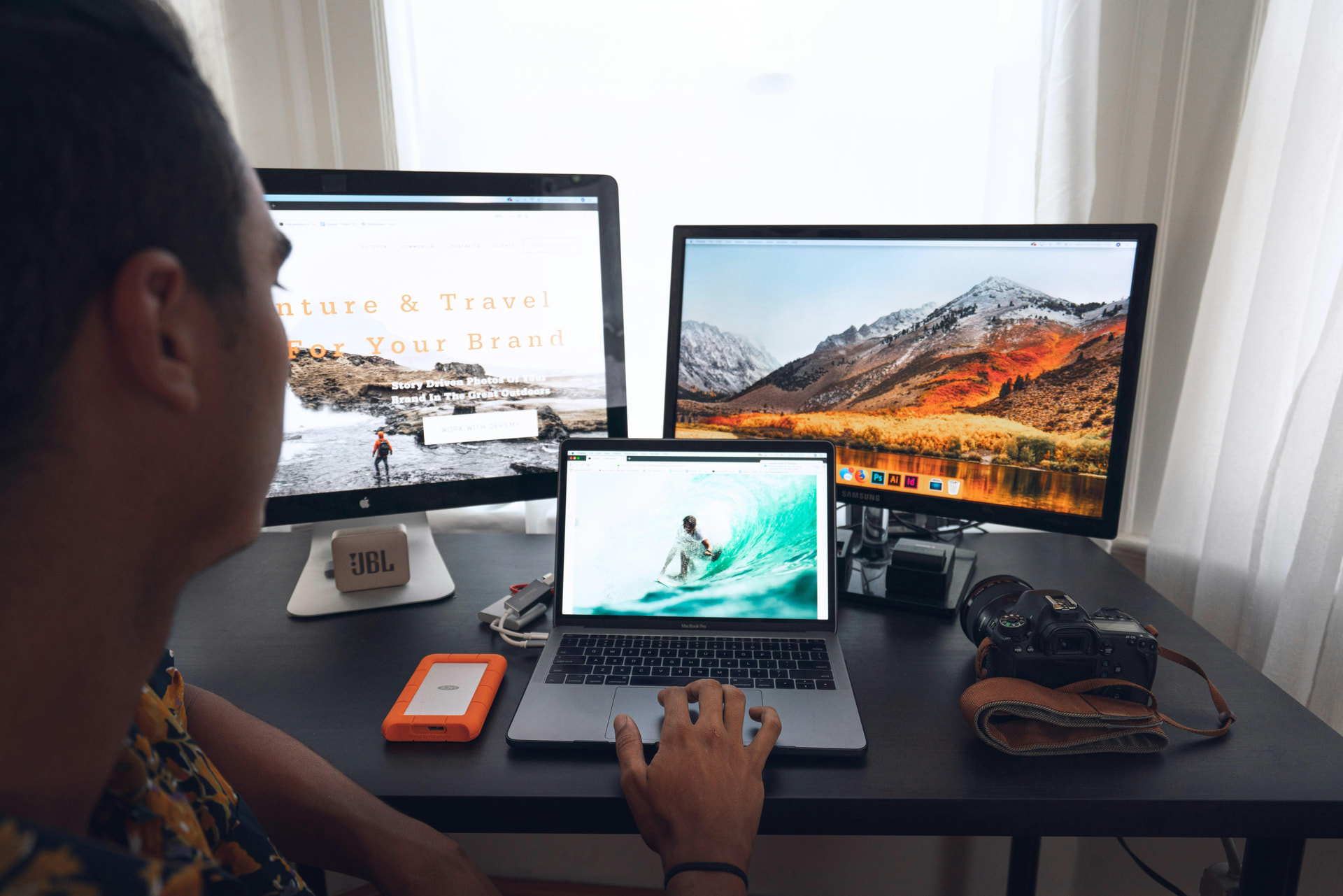
Photo by Jeremy Bishop on Unsplash
The short answer
A healthy amount of screen time is the amount that does not crowd out sleep, exercise, work, relationships, and offline activities. If your screen use is leaving you tired, distracted, sore, isolated, or unable to switch off, it may be too much for you even if it looks normal on paper.
For some people, eight hours at a computer is part of work and not a problem. For others, two hours of late-night scrolling can have a bigger impact than a long workday because it affects sleep and mental wellbeing. The context matters more than the raw total.
Why the number is not enough
Screen time is not all the same. Work, study, video calls, creative projects, and admin tasks are very different from endless social media scrolling or binge-watching late at night. Studies on young people show that the relationship between screen time and mental health is often small and depends on the type of use, while sleep loss and reduced physical activity are important parts of the picture.
That means the question is not just “How many hours?” but also:
-
What am I using screens for.
-
Is it helping my life or taking over it.
-
Am I choosing it, or just drifting into it.
-
Is it affecting my sleep, mood, or body.
Signs your screen time may be too high
You may not need to count every minute, but it helps to notice warning signs. Screen use may be excessive for you if it regularly interferes with sleep, makes it harder to concentrate, reduces your activity, or leaves you feeling anxious or flat. Some health experts also point out that long screen sessions can contribute to eye strain, neck and back pain, and poor sleep if used close to bedtime.
Common signs include:
-
Staying up later than planned because you keep scrolling or watching.
-
Checking your phone first thing in the morning and last thing at night.
-
Feeling restless when you are away from your device.
-
Neglecting exercise, meals, or chores because you are online.
-
Getting headaches, eye strain, or neck pain.
-
Feeling more stressed or low after certain apps or feeds.
A practical healthy target
Instead of chasing a strict universal limit, many people do better with a few simple rules. One common approach is to keep recreational screen time to a reasonable level, avoid screens for at least an hour before bed, and take regular breaks during the day. For children and teens, there are clearer age-based recommendations, but for adults the most useful target is balance rather than a fixed quota.
A practical healthy routine might look like this:
-
Use screens intentionally, not automatically.
-
Take short breaks every hour or so.
-
Protect the last hour before sleep.
-
Make space each day for movement and offline time.
-
Keep meals, walks, and social time screen-light when possible.
Make screen time healthier
The goal is not to cut screens completely. For most people, screens are part of work, learning, communication, banking, entertainment, and even health care. The goal is to use them in ways that support your life instead of replacing it.
You can make screen time healthier by:
-
Turning off non-essential notifications.
-
Using app timers or focus modes.
-
Keeping phones out of the bedroom if possible.
-
Looking away from the screen regularly.
-
Taking a walk or stretch break between long sessions.
-
Choosing active or meaningful screen use over mindless scrolling.
A simple rule that helps many people is: if the screen activity leaves you feeling better, informed, connected, or productive, it is probably serving you. If it leaves you drained, stuck, or sleep-deprived, it may be time to reduce it.
A good rule of thumb
A healthy amount of screen time is the amount that fits around the rest of your life. If you are sleeping well, moving regularly, keeping up with responsibilities, and still enjoying time offline, your screen use is probably within a healthy range for you. If not, the best adjustment is usually not “less screen time” in the abstract, but better boundaries around when, why, and how you use it.