For years, the advice to parents was simple: set a timer and stick to it. But the research has moved on, and the picture is more nuanced than a single number of hours. The newer message isn’t “screens are fine” or “screens are dangerous” — it’s that age, content quality, and what the screen is replacing matter more than the raw minutes on the clock.
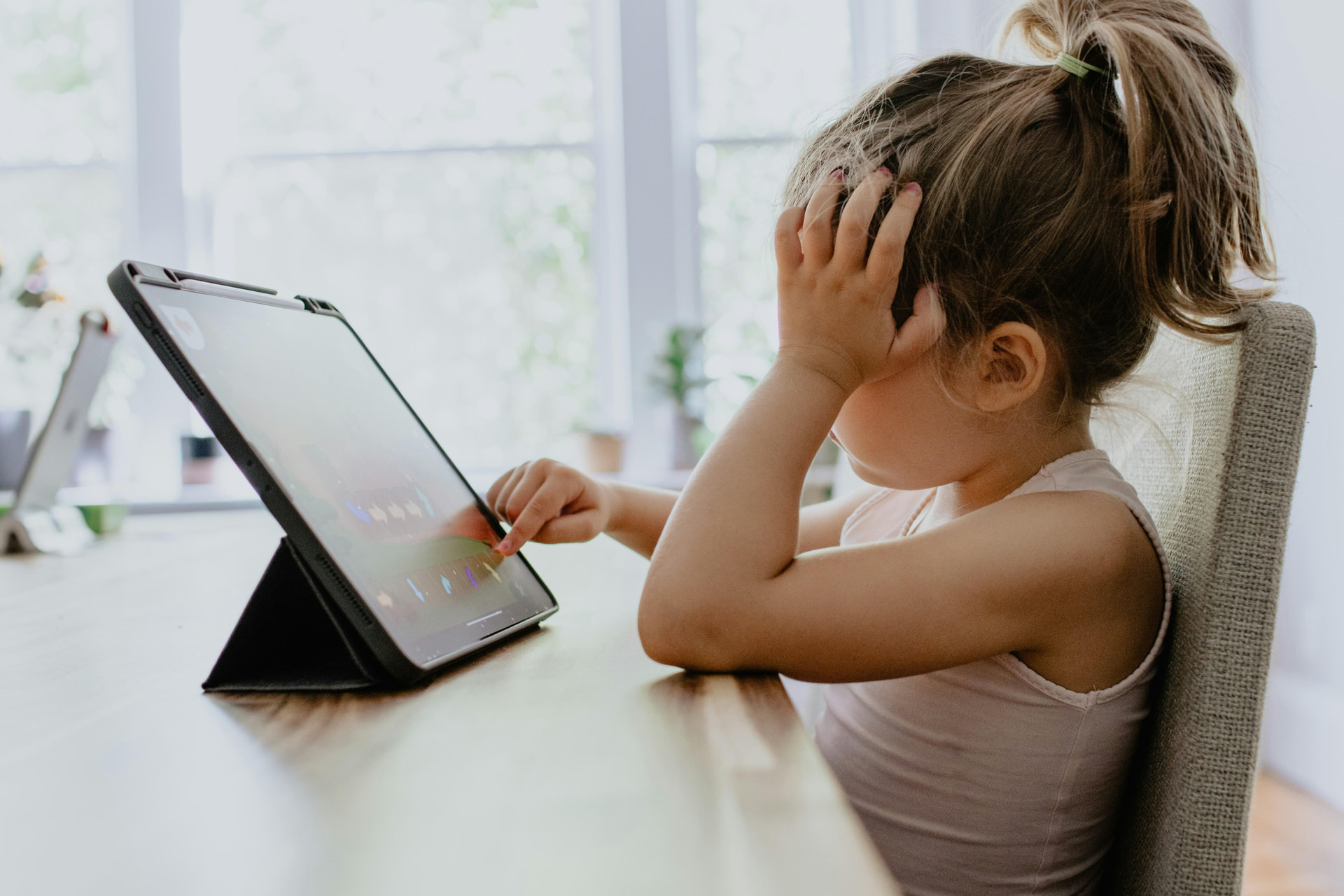
Photo by Kelly Sikkema on Unsplash
Why this matters
Screen time guilt is one of the most common things parents carry, often over things that don’t actually cause much harm, while missing the habits that do. That gap between what parents worry about and what the evidence actually points to is where a lot of unnecessary stress lives.
Guidelines still exist, but they’ve shifted. Groups like the American Academy of Pediatrics continue to recommend avoiding screens for infants under 18 months (aside from video calls with family) and keeping high-quality, co-viewed content to around an hour a day for ages 2 to 5. For school-age kids and teens, though, strict hourly caps are increasingly seen as less useful than family-based rules that flex with the child’s age and what they’re actually watching or doing.
What the evidence says
The strongest evidence for harm is around very young children and passive, low-quality screen use — content with no story, no pacing, and no interaction, playing in the background or replacing face-to-face time. That kind of exposure has been linked to slower language development and disrupted sleep in children under about eight.
For older kids, the research is murkier than the headlines suggest. Systematic reviews on screen time and outcomes like motor development or language have often found the evidence “mixed” or “insufficient” to draw firm conclusions, largely because screen time isn’t one thing — an hour of a video call with a grandparent, an hour of an interactive learning app, and an hour of autoplay video are not equivalent, but older studies often lumped them together. More recent commentary from researchers has pushed back on the idea that screens alone explain the rise in teen anxiety and depression, pointing instead to what’s being displaced — sleep, exercise, in-person time — as the more likely driver.
That’s part of why some countries have moved toward regulating specific high-risk uses rather than screen time in general. Australia introduced a ban on social media for under-16s at the end of 2025, and a number of other countries have signalled similar restrictions, reflecting a shift toward targeting particular platforms and features rather than screens as a category.
A practical message for readers
The most useful question isn’t “how many hours,” but “what is this replacing, and is my child engaging with it or just absorbing it.” A screen used for a video call, a creative app, or something the two of you watch and talk about together sits very differently to hours of autoplay content alone in a bedroom at night.
For most families, a few basics still hold up well: keep screens out of bedrooms overnight, prioritise sleep and physical activity over a strict time cap, and pay closer attention to what is being watched and how it’s being used than to the number on the clock. Family media plans — where everyone, including parents, agrees on some shared rules — tend to work better than rules imposed on kids alone.
If you’re feeling like you’re failing because your child had a big-screen day, the evidence doesn’t support that guilt. Consistency and quality over time matter far more than any single afternoon.
How do you manage screens in your house — and what’s actually worked?