Right-wing and populist parties have gained significant ground across Europe over the past two years, and a similar shift has become visible in Australia more recently. Analysts point to a mix of economic, cultural, and political factors behind the trend, though there’s no single agreed explanation, and the picture varies a lot by country.
Where things stand
Populist radical-right parties made major gains in the 2024 European Parliament elections, winning close to a quarter of all seats. Parties in this camp currently lead or sit in government in countries including Italy and Hungary, and poll strongly in others such as France, Germany, the Netherlands, Austria, and Sweden. According to analysis cited by The Economist, more than half of EU member states now have a far-right party polling at 20% or higher.
The trend isn’t uniform, though. Far-right parties underperformed expectations in some recent French and Italian local elections, and analysts describe a pattern where support surges, plateaus, or dips depending on the election and the local political landscape, rather than moving in one steady direction everywhere.
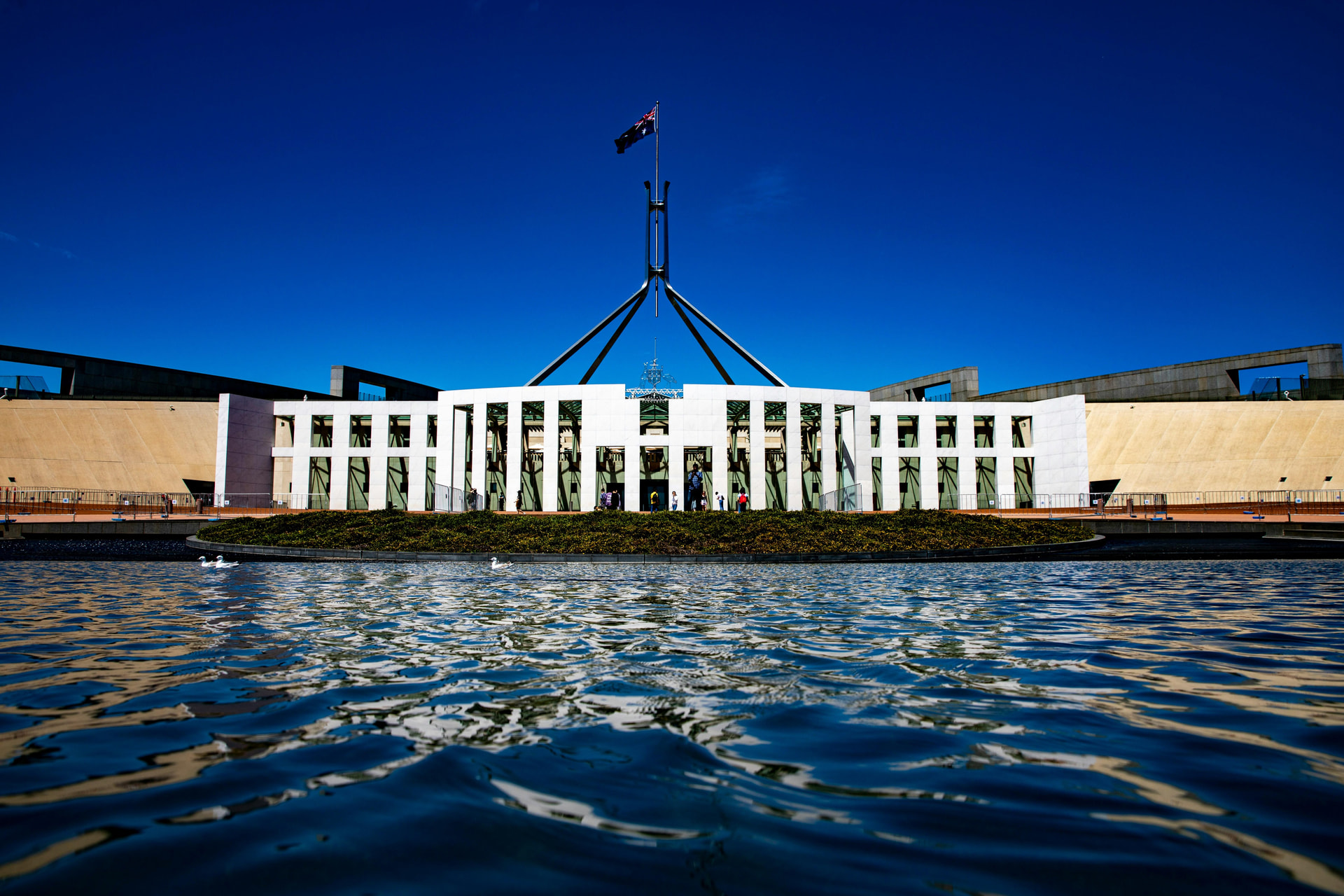
Photo by Marcus Reubenstein on Unsplash
Australia has seen a comparable shift more recently. Pauline Hanson’s One Nation party, historically a minor player, rose from around 6% of the primary vote at the May 2025 federal election to polling as high as the high-20s to low-30s in some national polls through mid-2026 — in some surveys briefly overtaking both major parties. The party also won its first lower-house seat at a by-election and made strong gains in South Australia’s March 2026 state election. Analysts note that poll methodologies vary and that some individual results (particularly snap or SMS polls) should be read with caution, but the broader trend of increased support has shown up across multiple pollsters.
What analysts say is driving it
Researchers and commentators point to several recurring factors, though they differ on how much weight to give each:
- Cost of living and economic pressure — persistently high inflation, housing costs, and stagnant real wages have been widely cited as fuelling frustration with incumbent governments, in both Europe and Australia.
- Immigration — concerns about the scale and pace of immigration are consistently cited by voters and analysts as a major driver, particularly in Australia following record migration intake and in parts of Europe following earlier migration waves.
- Distrust of major parties and institutions — polling and academic analysis point to declining trust in traditional centrist and centre-left/centre-right parties, with voters describing them as out of touch or interchangeable.
- Cultural and identity concerns — opposition to what some voters perceive as “woke” politics, and pushback against climate and social policies seen as costly or imposed from above, feature prominently in survey responses in both regions.
- Social media and alternative media ecosystems — several analysts point to the growing reach of alternative and social media platforms in amplifying populist messaging and bypassing traditional press gatekeeping.
Researchers caution that these factors interact differently by country. In Australia, for instance, one open question among political scientists is how much of One Nation’s rise reflects genuine long-term realignment versus voters “parking” a protest vote with a minor party before returning to major parties at the ballot box, where preferential voting can produce different outcomes than raw polling suggests.
What the forecasts say
Forecasting is inherently uncertain, and analysts are cautious about firm predictions:
- France heads into a presidential election in April 2027. Marine Le Pen was convicted of embezzling EU funds in 2025 and initially barred from running; an appeals court has since allowed her to stand while upholding the conviction, and she has confirmed her candidacy. Polling from mid-2026 shows the National Rally’s candidate (whether Le Pen or her protégé Jordan Bardella) leading first-round voting intentions, though analysts stress that French campaigns have shifted dramatically before and that a second-round outcome is far from settled.
- Germany, Spain, and other EU states continue to show elevated polling for right-wing parties (such as the AfD and Vox), though none currently sit in national government.
- Australia’s next federal election is due by 2028. Political analysts describe One Nation’s rise as historically unprecedented in scale but note its eventual electoral impact will depend heavily on preference flows and whether current polling support is durable or a temporary protest vote.
Most analysts agree on one point: this is a live and unsettled trend rather than a fixed outcome, with upcoming elections in both regions likely to serve as the next major test.
How does watching this kind of news play out affect you day to day?