This article is part of a four-part series exploring Australia’s changing drug landscape, looking at which substances cause the most harm, who is affected, and how Australia is responding. Read the full series:
Part 1 | What Is Australia’s Most Dangerous Drug? The Answer Isn’t What Most People Think
Part 2 | You are here
Part 3 | The Deadliest Drugs in Australia: Overdose, Opioids and Regional Differences
Part 4 | How Australia’s Drug Landscape Has Changed — And Where It May Be Heading
The question of Australia’s most dangerous drug becomes more complicated when we move beyond the number of users and examine the severity of harm.
Some substances affect a relatively small number of Australians but create significant health, social and economic consequences. Methamphetamine is the clearest example of this. Cocaine represents another important shift in Australia’s drug landscape, with use increasing steadily over recent years.
Understanding these trends helps explain why Australia’s drug challenges cannot be reduced to a single substance or a simple headline.
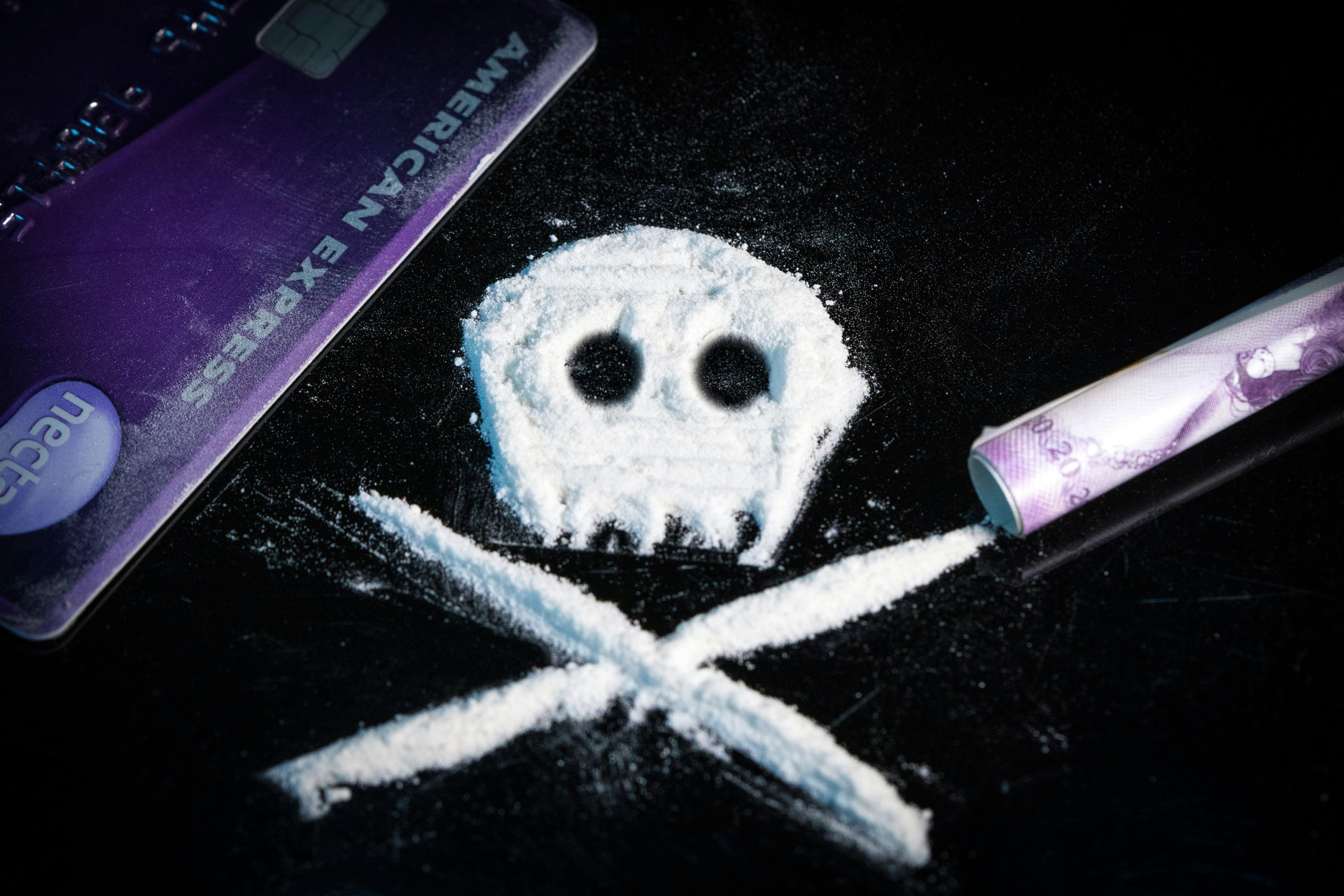
Photo by Colin Davis on Unsplash
Methamphetamine: The Drug With a Disproportionate Impact
Methamphetamine has become one of Australia’s most recognised drug issues, particularly since the rise of crystalline methamphetamine, commonly known as “ice”.
However, one of the biggest misunderstandings about methamphetamine is that it is Australia’s most commonly used illegal drug.
It is not.
Compared with cannabis and cocaine, the number of Australians using methamphetamine is relatively small. The reason it receives so much attention is not the number of users—it is the intensity of harm experienced by some users and communities.
Methamphetamine is a powerful stimulant that affects the brain’s reward system. It increases levels of dopamine and other neurotransmitters, producing feelings of energy, confidence and alertness.
The problem is that repeated exposure can significantly alter the brain’s reward pathways.
Over time, some people experience:
- Strong cravings and dependence
- Difficulty controlling use
- Sleep disruption
- Anxiety and depression
- Paranoia
- Increased risk of psychosis
- Problems maintaining relationships, employment and housing
For families, the effects can be particularly devastating. A person’s substance dependence may lead to financial stress, conflict, unpredictable behaviour and increased pressure on partners, children and support networks.
However, it is important to separate evidence from stereotypes.
Most people who use methamphetamine do not become violent or dangerous. Many people who develop problems with methamphetamine are people experiencing significant underlying challenges, including trauma, mental health issues, unemployment, social isolation or disadvantage.
A compassionate approach focuses on treatment and support rather than blame.
Why Methamphetamine Causes So Much Community Concern
The reason methamphetamine remains a major public health concern is that its impact extends beyond individual health.
Communities may experience increased demand on:
- Emergency departments
- Ambulance services
- Mental health services
- Alcohol and other drug treatment services
- Police and social services
The Australian Institute of Health and Welfare has consistently identified amphetamine-type stimulants as an important contributor to drug-related hospitalisations and treatment demand.
The challenge for governments is balancing two realities:
- The number of people using methamphetamine is smaller than some other drugs.
- The level of harm among people experiencing dependence can be extremely high.
This is why methamphetamine often appears near the top of discussions about Australia’s most harmful illicit drugs.
Cocaine: Australia’s Growing Stimulant Problem
While methamphetamine has dominated public discussion, another stimulant has been quietly increasing in popularity: cocaine.
For many years, cocaine was considered a relatively niche drug in Australia, often associated with nightlife, wealthier social groups and occasional recreational use.
That picture has changed.
National surveys have shown cocaine use increasing over time, making it one of Australia’s most commonly used illicit drugs after cannabis.
Several factors may explain this trend:
- Greater availability through international supply networks
- Increased social acceptance among some groups
- Nightlife and festival culture
- Perceptions that cocaine is less harmful than other illicit drugs
That final point is particularly important.
Many people view cocaine as a “safer” drug because dependence may develop differently compared with substances such as methamphetamine or heroin.
However, cocaine carries significant risks.
These can include:
- Increased heart rate and blood pressure
- Heart attack and stroke risk
- Anxiety and panic symptoms
- Sleep problems
- Dependence and compulsive use
- Financial and relationship problems
Cocaine also presents a hidden danger because users may underestimate its risks.
A person who uses cocaine occasionally may believe they are not at risk, while gradually increasing frequency and quantity over time.
The Rise of Ketamine and Newer Drug Trends
Australia’s illicit drug market continues to evolve.
In recent years, health authorities have observed increasing interest in substances that were previously less common, including ketamine and some psychedelic substances.
Ketamine is particularly interesting because it sits in a complex space.
It is:
- A legitimate medical anaesthetic
- Used in some clinical settings for treatment-resistant depression
- Also used recreationally
Recreational ketamine use can involve risks including:
- Impaired judgement
- Accidents and injuries
- Memory problems
- Bladder damage with frequent use
- Psychological dependence
The growth of newer substances creates challenges because public awareness often lags behind changes in availability.
A drug that is relatively uncommon today can become a significant public health issue within a few years.
Australia’s Drug Trends Over the Past Two Decades
Australia’s drug landscape in 2026 looks very different from the early 2000s.
The major changes include:
The decline of heroin as the dominant public concern
During the late 1990s and early 2000s, heroin was at the centre of Australia’s drug debate.
The heroin overdose crisis resulted in significant public concern and policy responses.
Today, heroin remains a serious issue, but it no longer dominates Australia’s illicit drug conversation in the same way.
The rise of methamphetamine
The mid-2000s onwards saw increasing concern about methamphetamine, particularly crystalline methamphetamine.
This period changed public understanding of stimulant dependence and led to significant investment in prevention, treatment and community services.
The growth of cocaine
Cocaine has become increasingly common, particularly in major cities.
Wastewater monitoring and household surveys indicate that cocaine consumption has increased substantially compared with earlier decades.
More diverse drug use
Australia’s drug market is no longer defined by a small number of substances.
People may encounter:
- Cannabis
- Cocaine
- Methamphetamine
- MDMA
- Ketamine
- Psychedelics
- Synthetic substances
- Misused prescription medications
This diversity makes prevention more challenging because each drug requires a different response.
A Different Way to Think About Drug Harm
One of the biggest mistakes in drug discussions is ranking substances as simply “good” or “bad”.
The reality is more complicated.
A person’s risk depends on:
- The substance itself
- Dose and frequency of use
- Method of consumption
- Individual health factors
- Age
- Mental health
- Social environment
- Access to support and treatment
The same substance can have very different consequences for different people.
A teenager experimenting with a drug, a person using it daily to cope with trauma, and someone taking it occasionally in a social setting are experiencing very different situations.
This is why effective drug policy focuses not only on the substance but also on the person and the circumstances around use.
The Current Picture
When we compare Australia’s major illicit drugs, a pattern begins to emerge:
| Measure | Drug that stands out |
|---|---|
| Most commonly used | Cannabis |
| Growing popularity | Cocaine |
| Highest dependence risk among stimulants | Methamphetamine |
| Significant overdose risk | Opioids |
| Emerging concerns | Ketamine and synthetic substances |
There is no single winner in the race to be Australia’s “most dangerous drug.”
The answer depends on what type of harm we are measuring.
However, when the question changes from “Which drug is used the most?” to “Which drug creates the greatest disruption for individuals, families and communities?”, methamphetamine becomes one of the strongest contenders.
But there is another category where a different group of drugs dominates completely:
fatal overdose.
To understand Australia’s drug problem fully, we need to look at the substances responsible for the greatest number of deaths—and that leads us to opioids.
This article is part of a four-part series exploring Australia’s changing drug landscape, looking at which substances cause the most harm, who is affected, and how Australia is responding. Read the full series:
Part 1 | What Is Australia’s Most Dangerous Drug? The Answer Isn’t What Most People Think
Part 2 | You are here
Part 3 | The Deadliest Drugs in Australia: Overdose, Opioids and Regional Differences
Part 4 | How Australia’s Drug Landscape Has Changed — And Where It May Be Heading
Need Support?
If you or someone you know is affected by alcohol or drug use, support is available.
The Australian Government’s National Alcohol and Other Drug Hotline provides free and confidential advice, information and support, including help finding local treatment services.
Phone: 1800 250 015