Self-harm carries a lot of shame, and that shame is often the loneliest part of it — worse, for a lot of people, than the struggle itself. If this is something you deal with, or have dealt with in the past, this is a space where you don’t have to hide it or explain it away.
It’s more common than the silence around it suggests
Self-harm is far more widespread than most people realise, partly because so much of it happens in secret. It affects people of every age, background, and life circumstance — teenagers and adults, people who otherwise seem to be coping fine on the outside, people you’d never guess were carrying this. If you feel like you’re the only one, or like there’s something uniquely wrong with you because of it, that feeling is common too, and it isn’t true.
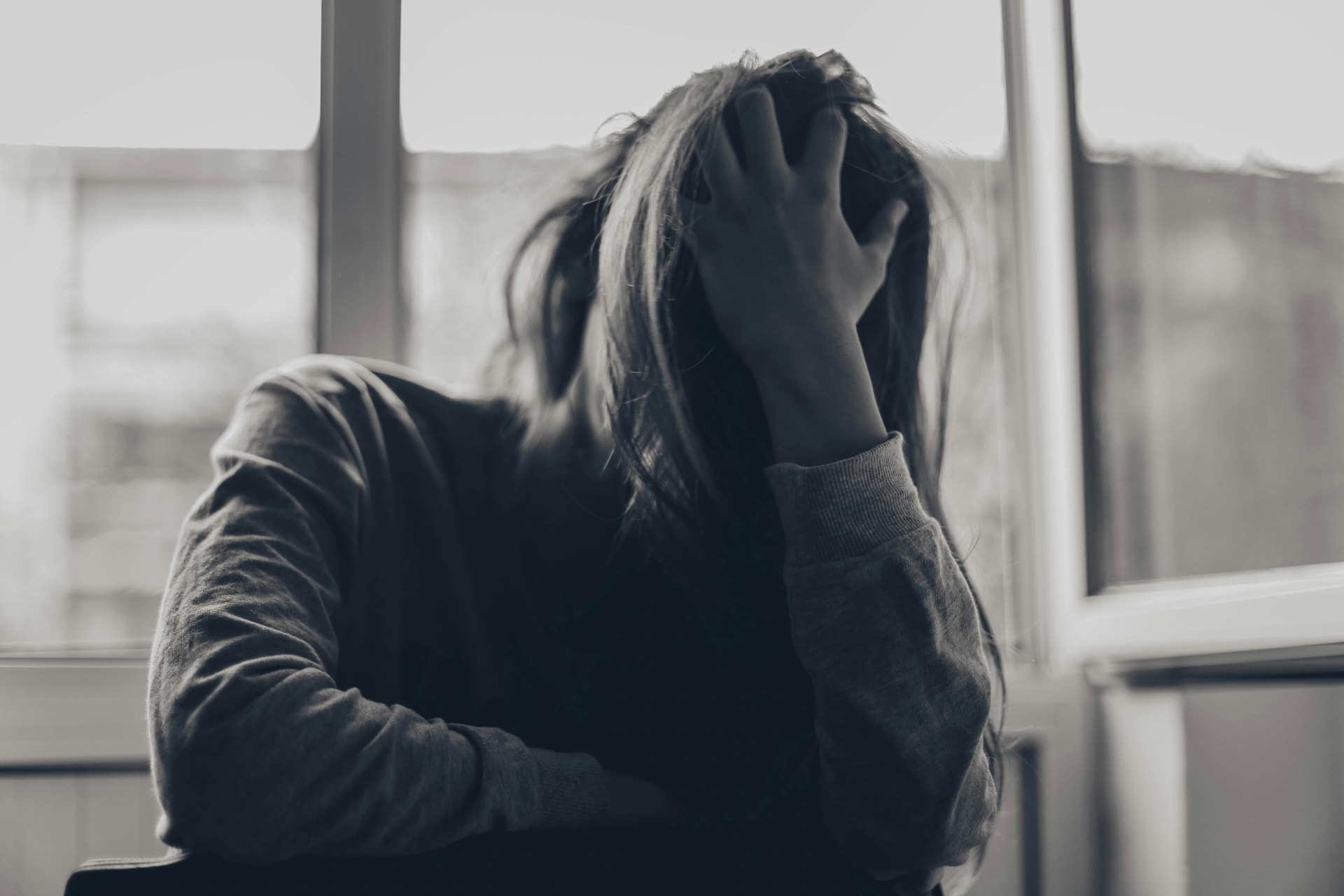
Photo by Pars Sahin on Unsplash
Why it happens
Self-harm is usually not about wanting to die — it’s most often a way of coping with emotional pain that feels too big, too fast, or too overwhelming to sit with any other way. For a lot of people, it functions as a release, a way to feel something when they’re numb, a way to feel in control when everything else feels chaotic, or a way to punish themselves for feelings of shame or self-blame that have nowhere else to go. Understanding it this way — as a coping mechanism rather than a character flaw — is part of why mental health professionals increasingly treat it with compassion and curiosity about what’s underneath it, rather than punishment or fear.
That doesn’t make it a good long-term solution, and most people who self-harm know that already, often better than anyone else could tell them. But understanding why it happens is usually a more useful starting point than judgment — for yourself and for anyone supporting you.
Recovery isn’t a straight line, and that’s normal
If you’ve had setbacks, or you’re not “recovered” in a neat, permanent way, that doesn’t mean you’ve failed or that support won’t work for you. For most people, recovery looks like periods of doing better, followed by harder patches, followed by more good stretches — a gradual trend rather than a single clean break. Professional support — through a GP, psychologist, or a service that specialises in this — makes a real difference for most people, even when it doesn’t feel like it will at first. Reaching out isn’t a last resort for when things get “bad enough.” It’s worth doing at any point, including right now, including if this is the first time you’ve said anything about it to anyone.
If you support someone who self-harms
If you’re here because someone you care about is struggling, know that your steadiness matters more than having the perfect words. Listening without panic, without ultimatums, and without trying to fix it in one conversation tends to help far more than pressure does. Encouraging professional support, and staying connected rather than pulling away out of fear, are some of the most useful things you can offer.
Support is available right now
If you’re in crisis or need to talk to someone urgently, please reach out:
- Lifeline — 13 11 14 (24/7 crisis support, Australia)
- Suicide Call Back Service — 1300 659 467 (24/7)
- Kids Helpline — 1800 55 1800 (for ages 5–25, 24/7)
- 13YARN — 13 92 76 (24/7 crisis support for Aboriginal and Torres Strait Islander people)
- Beyond Blue — 1300 22 4636 (24/7)
If you’re outside Australia, please look up your local crisis line — most countries have a free, confidential service available any time of day.
You don’t need to be in crisis to reach out, and you don’t need to have the right words. Just starting the conversation is enough.